Global Japanese Sushi Rolls
Highlighted under: Worldly Dishes
I absolutely love making sushi at home, and creating global Japanese sushi rolls is one of my favorite ways to experiment with flavors. Each roll is an adventure, combining traditional ingredients with global influences to bring a unique twist to this classic dish. Whether it's the vibrant colors of fresh vegetables or the savory elements of cooked seafood, there’s something thrilling about rolling it all together. I enjoy challenging myself with different combinations, and I can’t wait to share this exciting recipe with you!
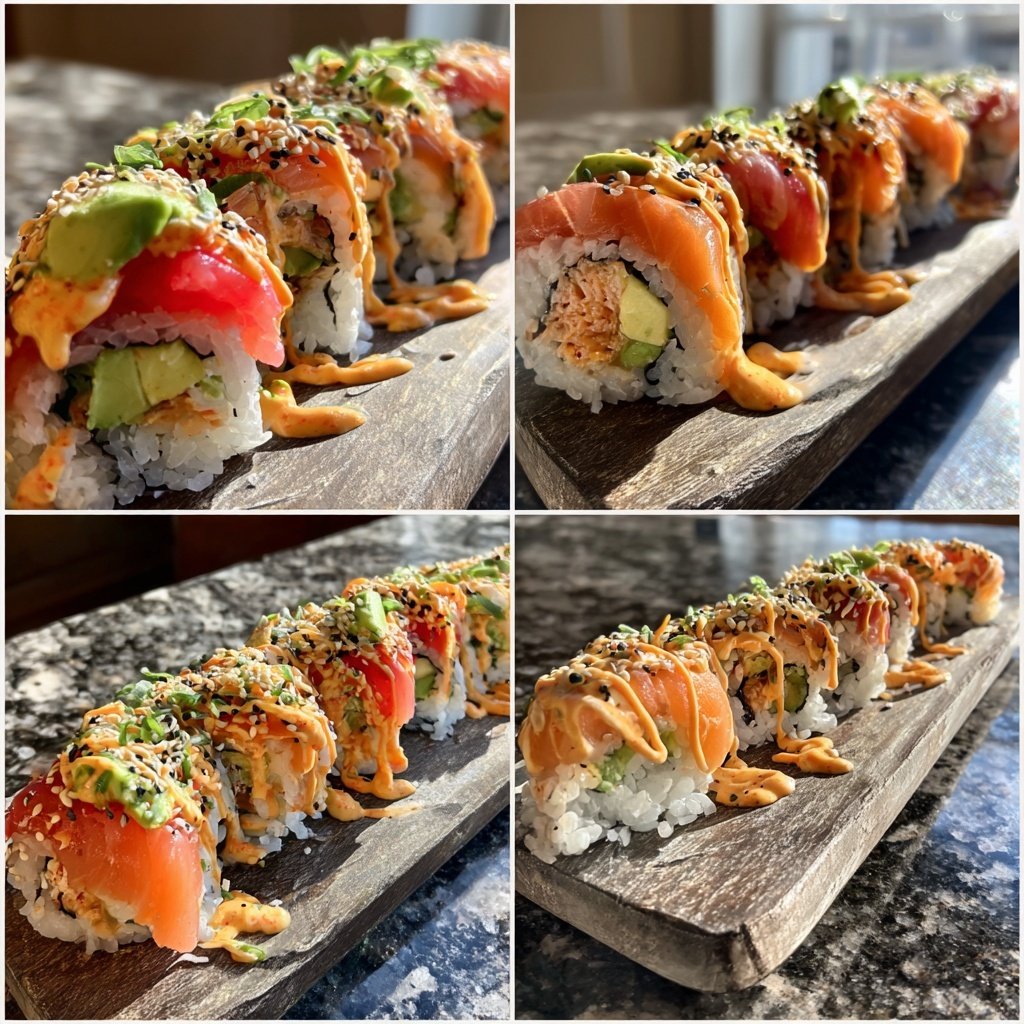
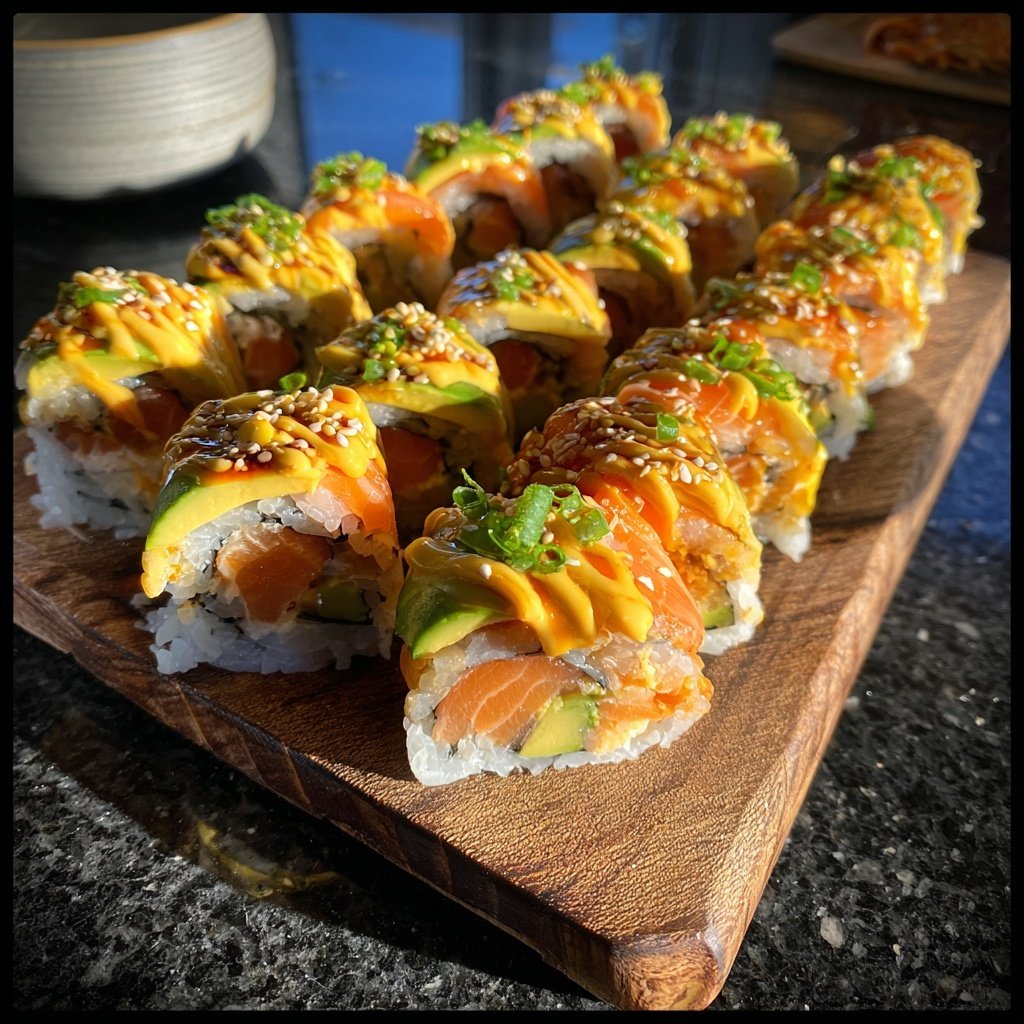
Creating sushi rolls in my kitchen has become somewhat of a ritual. One weekend, I decided to give a global twist to traditional Japanese flavors by introducing ingredients inspired by other cuisines. The result was a delightful mix that not only tasted incredible but also looked stunning on the plate. I learned that combining fresh herbs with seaweed creates a refreshing flavor that transforms the overall experience.
One of my favorite combinations is adding spicy tuna with a hint of sriracha and topping it with a creamy avocado. What surprised me was how well these contrasting flavors meld together. If you can master rolling tightly without breaking the nori, you’ll find the perfect bite every time!
Why You'll Love These Rolls
- Fusion of global flavors in every bite
- Fresh and vibrant ingredients that excite the palate
- Fun and engaging to make with friends or family
Mastering Sushi Rice
The key to great sushi rolls starts with perfectly prepared sushi rice. Rinsing the rice until the water runs clear is essential to remove excess starch, which prevents the rice from becoming gummy. After simmering, allow it to rest covered for 10 minutes; this step ensures it finishes cooking in its own steam, resulting in tender grains that cling together well without being mushy.
Once the vinegar mixture is incorporated into the rice, be gentle. Using a wooden spatula, fold the mixture through the rice rather than stirring vigorously. This technique helps maintain the rice's integrity while imparting flavor. Aim for a glossy finish—this indicates that the rice is properly coated without becoming overly wet.
Crafting Dynamic Fillings
The combination of fresh ingredients is what makes these sushi rolls stand out. Sushi-grade tuna is not just delicious but critical for food safety when serving raw seafood; it should be sourced from reputable suppliers. I suggest tasting a small piece before mixing it with sriracha and mayo to gauge its quality, ensuring a delightful flavor profile in every bite.
For a vibrant contrast in texture and flavor, consider adding additional fillings like thinly sliced bell peppers or carrot juliennes. These not only add a crunch but also a splash of color that enhances visual appeal. Don’t be afraid to experiment with different global influences; for instance, using smoked salmon or even roasted vegetables can transform your rolls while still delivering that satisfying sushi experience.
Rolling and Serving Tips
When rolling the sushi, a bamboo mat is an invaluable tool for shaping and tightening the roll. Ensure that you maintain even pressure as you roll; too loose and the fillings might spill out, too tight and the nori could tear. If you're new to rolling, practicing with a few spare sheets of nori can help refine your technique before assembling your final masterpiece.
Presentation matters in sushi. I recommend arranging the cut rolls on a platter with the edge facing up for visual appeal. Serve them immediately after slicing; the rice tends to dry out if left too long. Pairing with small dipping dishes of soy sauce, pickled ginger, and wasabi not only enhances flavor but also provides an interactive dining experience.
Ingredients
Ingredients
Sushi Rice
- 2 cups sushi rice
- 2 1/2 cups water
- 1/3 cup rice vinegar
- 2 tablespoons sugar
- 1 teaspoon salt
Fillings
- 1/2 pound sushi-grade tuna, diced
- 1 avocado, sliced
- 1 cucumber, julienned
- 1 mango, julienned
- 2 tablespoons sriracha
- 1 tablespoon mayonnaise
- 1/4 cup fresh cilantro, chopped
For Rolling
- 4 sheets nori (seaweed)
- Soy sauce for serving
- Pickled ginger for garnish
- Wasabi for serving
Preparation Steps
Instructions
Instructions
Prepare the Sushi Rice
Rinse the sushi rice under cold water until the water runs clear. Add the rice to a saucepan with water and bring to a boil. Once boiling, reduce to low heat, cover, and simmer for 20 minutes. Remove from heat and let it sit covered for another 10 minutes. In a small saucepan, combine vinegar, sugar, and salt, and heat until dissolved. Fold this mixture into the cooked rice and let it cool.
Make the Fillings
In a bowl, combine the diced tuna with sriracha and mayonnaise for a spicy tuna filling. Prepare the avocado, cucumber, and mango by slicing them thinly lengthwise.
Roll the Sushi
Lay a sheet of nori on a bamboo sushi mat. Wet your hands and spread a thin layer of sushi rice over the nori, leaving a small border at the top. Lay your fillings in a line on the rice and roll tightly away from you, using the mat to shape it. Seal the edge of the nori with water.
Cut and Serve
Using a sharp knife, slice the rolled sushi into 6-8 pieces. Serve with soy sauce, pickled ginger, and wasabi on the side.
Enjoy Your Sushi Rolls!
Pro Tips
- Experiment with different fillings to find your favorite combinations, and always ensure your knife is wet when slicing to achieve clean cuts.
Substitutions and Variations
If you're looking for alternatives to traditional fillings, consider incorporating ingredients like grilled shrimp or even a vegetarian-friendly option such as roasted shiitake mushrooms. These ingredients can provide a unique flavor twist while maintaining the essence of sushi. Additionally, for those who avoid gluten, substitute soy sauce with tamari for a similar savory experience.
For a different flavor profile, experiment with using flavored rice vinegars or adding a splash of citrus juice to the vinegar mix. This can brighten the taste of your sushi rice, complementing the freshness of the fillings. Don’t hesitate to adjust the spice level in your sriracha mix, tailoring it to your taste or that of your guests.
Make-Ahead and Storage
While sushi is best eaten fresh, some components can be prepped ahead of time. You can make the rice a day in advance, storing it in an airtight container in the refrigerator. When ready to use, gently warm it in the microwave before rolling; cold rice can make it difficult to shape and hold together.
Filling components can also be prepped ahead but should be stored separately to prevent sogginess. Dice your fillings and keep each in a sealed container in the fridge. If you're making sushi for a crowd, scaling up this recipe is straightforward, allowing you to add more variety and accommodate larger gatherings without compromising on quality.
Troubleshooting Common Issues
If you find your sushi rice is too sticky, you may have added too much water originally, or not rinsed it adequately. Next time, rinse thoroughly until the water runs clear and adjust the water ratio. Conversely, if the rice feels dry or crumbly, a little extra water during the cooking process may help achieve the desired texture.
When rolling the sushi, if the nori tears, ensure your hands and mat are damp, which can help prevent tearing. Additionally, if your rolls don’t hold their shape, try wetting the edge of the nori slightly before sealing, allowing it to adhere better. Practice makes perfect, and each roll is a chance to refine your technique!
Questions About Recipes
→ Can I use brown rice instead of sushi rice?
Yes, but brown rice has a different texture and will take longer to cook.
→ How do I store leftover sushi rolls?
Wrap them tightly in plastic wrap and store in the refrigerator for up to 24 hours.
→ What type of soy sauce is best for sushi?
Look for a light soy sauce or a low-sodium version for dipping.
→ Is sushi safe to eat while pregnant?
It's best to avoid raw fish during pregnancy. Consider using cooked fillings instead.
Global Japanese Sushi Rolls
Created by: The Chefconnorfoods Team
Recipe Type: Worldly Dishes
Skill Level: Intermediate
Final Quantity: 4 rolls
What You'll Need
Sushi Rice
- 2 cups sushi rice
- 2 1/2 cups water
- 1/3 cup rice vinegar
- 2 tablespoons sugar
- 1 teaspoon salt
Fillings
- 1/2 pound sushi-grade tuna, diced
- 1 avocado, sliced
- 1 cucumber, julienned
- 1 mango, julienned
- 2 tablespoons sriracha
- 1 tablespoon mayonnaise
- 1/4 cup fresh cilantro, chopped
For Rolling
- 4 sheets nori (seaweed)
- Soy sauce for serving
- Pickled ginger for garnish
- Wasabi for serving
How-To Steps
Rinse the sushi rice under cold water until the water runs clear. Add the rice to a saucepan with water and bring to a boil. Once boiling, reduce to low heat, cover, and simmer for 20 minutes. Remove from heat and let it sit covered for another 10 minutes. In a small saucepan, combine vinegar, sugar, and salt, and heat until dissolved. Fold this mixture into the cooked rice and let it cool.
In a bowl, combine the diced tuna with sriracha and mayonnaise for a spicy tuna filling. Prepare the avocado, cucumber, and mango by slicing them thinly lengthwise.
Lay a sheet of nori on a bamboo sushi mat. Wet your hands and spread a thin layer of sushi rice over the nori, leaving a small border at the top. Lay your fillings in a line on the rice and roll tightly away from you, using the mat to shape it. Seal the edge of the nori with water.
Using a sharp knife, slice the rolled sushi into 6-8 pieces. Serve with soy sauce, pickled ginger, and wasabi on the side.
Extra Tips
- Experiment with different fillings to find your favorite combinations, and always ensure your knife is wet when slicing to achieve clean cuts.
Nutritional Breakdown (Per Serving)
- Calories: 400 kcal
- Total Fat: 14g
- Saturated Fat: 2g
- Cholesterol: 40mg
- Sodium: 200mg
- Total Carbohydrates: 60g
- Dietary Fiber: 4g
- Sugars: 8g
- Protein: 10g