Classic Vanilla Frosting Masterclass
Highlighted under: Tea Time
When it comes to baking, I always turn to this classic vanilla frosting as my go-to recipe. It's incredibly versatile, perfect for topping cakes, cupcakes, or even cookies. The smooth blend of butter, sugar, and vanilla creates a creamy texture that elevates any dessert. I love how easy it is to whip up, making it the ideal choice for both novice bakers and seasoned professionals. Let’s dive into the steps that guarantee a flawless frosting every time you make it!
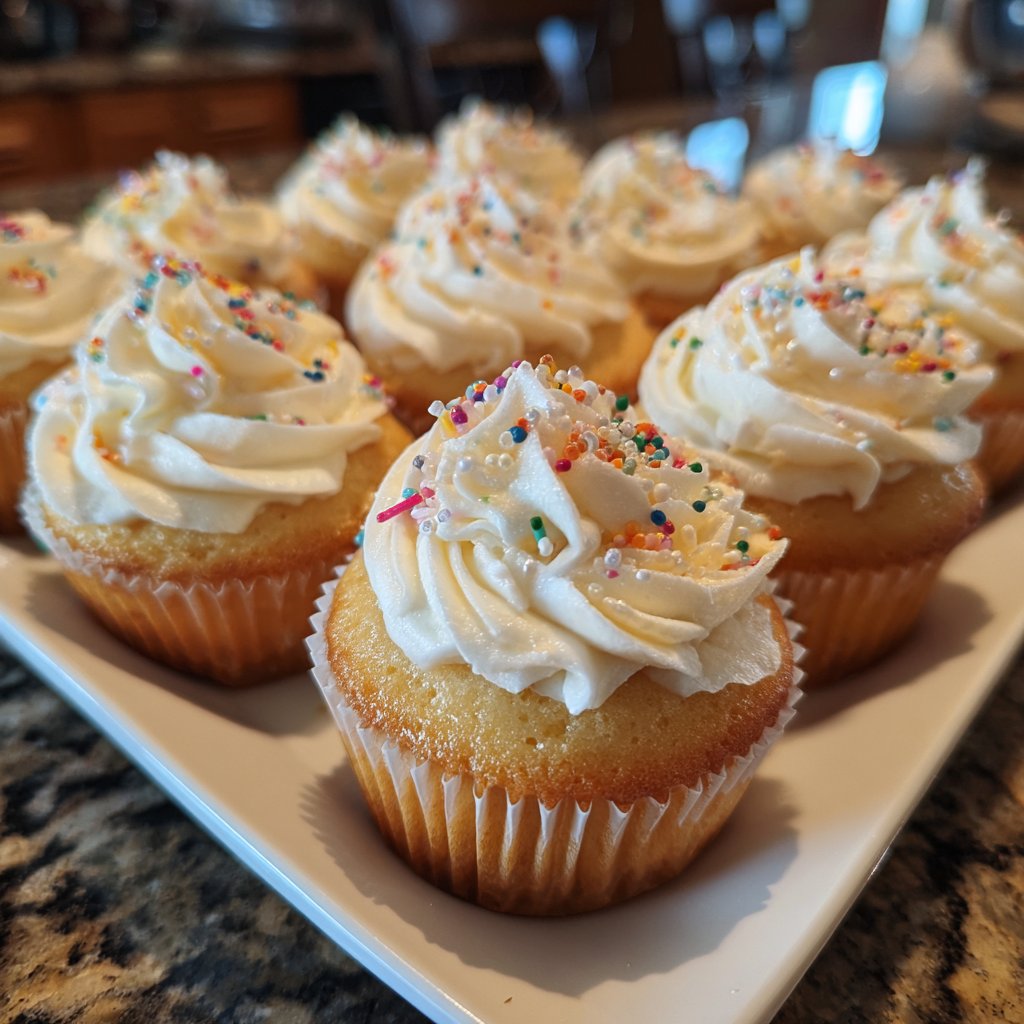
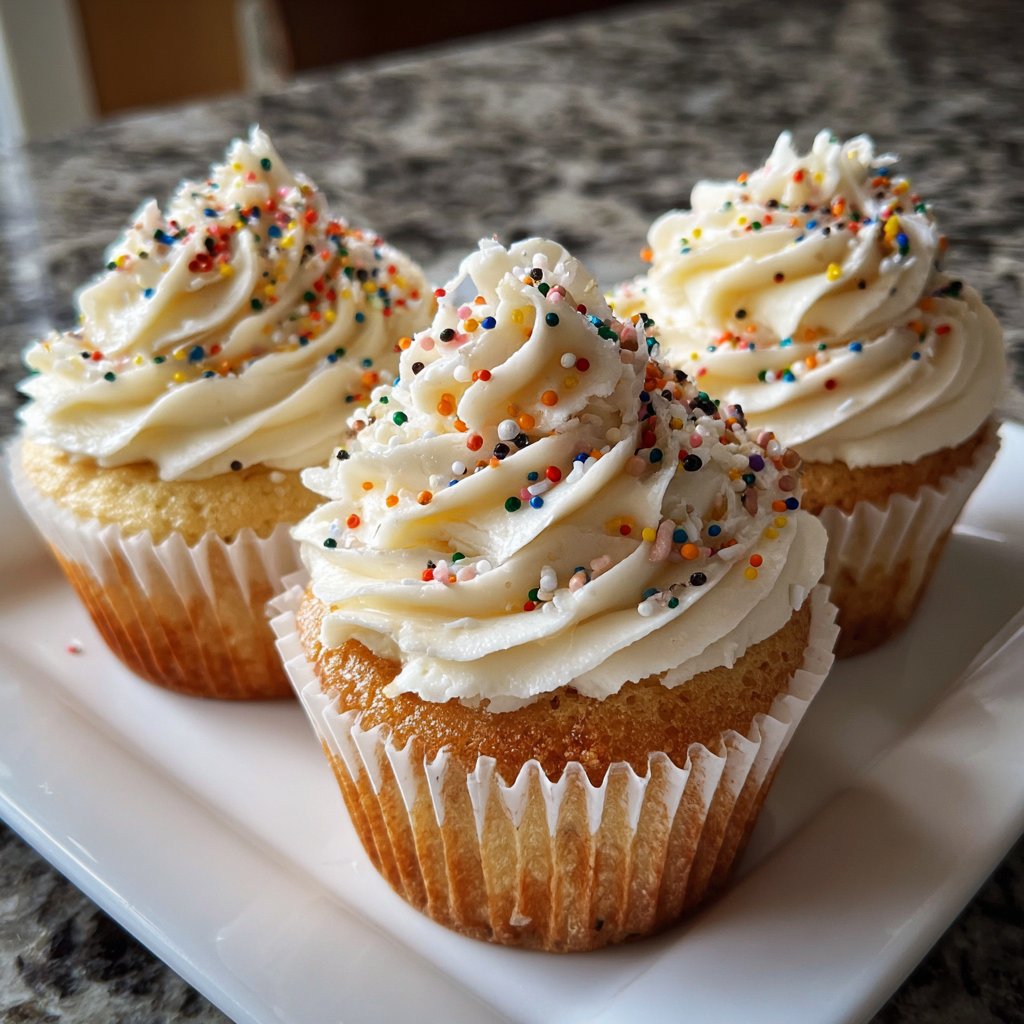
During my baking journey, I've experimented with various frosting recipes, but this vanilla frosting remains a standout favorite. I initially stumbled upon this method while trying to perfect a birthday cake, and the results were phenomenal. With just a few simple ingredients, the frosting turned out creamy and rich, beautifully complementing the cake layers.
I discovered that the key to a perfect texture lies in beating the butter until it's light and fluffy before adding the sugar and vanilla. This aeration creates the ideal spreadable consistency while enhancing the flavor. Trust me, once you master this vanilla frosting, you'll never look at store-bought frosting the same way again.
Why You'll Love This Recipe
- Classic flavor that pairs well with any dessert
- Creamy texture that spreads easily
- Quick to make with just a few pantry staples
Understanding the Ingredients
The magic of this classic vanilla frosting comes from the perfect balance of unsalted butter and powdered sugar. The butter gives the frosting its creamy texture and rich flavor, while the powdered sugar sweetens it to perfection. Remember, using unsalted butter allows you to control the saltiness of your frosting better—a crucial point to achieving a well-rounded flavor. If you're in a pinch, you can substitute with salted butter, but just be cautious with the added salt later.
Vanilla extract is another key player in this recipe, bringing a warm, aromatic complexity that elevates the frosting. For an even more intense flavor, consider using pure vanilla extract instead of imitation vanilla. Additionally, other flavorings like almond extract or citrus zest can provide an interesting twist if you want to experiment, but they’ll change the classic taste.
Techniques for Frosting Mastery
Achieving the ideal creamy consistency is all about your mixing technique. When you first incorporate the powdered sugar, be sure to start on low speed to minimize mess. Once combined, increase the speed to medium; this helps to incorporate air, giving the frosting that light and fluffy texture. Be cautious not to over-beat, as this can add too much air and make your frosting too fluffy, affecting how it holds onto cakes or cupcakes.
The temperature of your ingredients is also crucial. Using butter that is softened but not melted is key; it should be pliable but still hold its shape. This will ensure that the frosting is smooth and can easily be spread or piped without collapsing. If your kitchen is warm, pop the frosting in the fridge for a few minutes after mixing, ensuring it firms up for better handling.
Ingredients
Ingredients
For the Frosting
- 1 cup unsalted butter, softened
- 4 cups powdered sugar
- 2 teaspoons vanilla extract
- 2-4 tablespoons heavy cream or milk
- Pinch of salt
Instructions
Instructions
Prepare the Butter
In a large mixing bowl, beat the softened butter using an electric mixer on medium speed until it's light and fluffy, about 3-5 minutes.
Add the Sugar
Gradually add the powdered sugar, one cup at a time, mixing on low speed to avoid a sugar cloud. Once the sugar is incorporated, increase the speed to medium and beat well.
Incorporate Vanilla and Cream
Mix in the vanilla extract and 2 tablespoons of heavy cream or milk. Continue to beat the frosting until it’s smooth and creamy, adding more cream if necessary to reach your desired consistency.
Add Salt and Finalize
Finally, add a pinch of salt and mix until combined. Taste the frosting and adjust the flavor if needed, then you're ready to frost your favorite baked goods!
Pro Tips
- For an extra flavor twist, try adding a few tablespoons of cocoa powder for chocolate frosting or substitute the vanilla with other extracts like almond or lemon.
Storage Tips for Frosting
If you have leftover frosting, store it in an airtight container in the refrigerator for up to a week. When ready to use, simply let it sit at room temperature for about 30 minutes to soften, then re-whip it briefly to restore its smooth texture. For longer storage, you can freeze the frosting for up to three months. Thaw it overnight in the fridge and allow it to come to room temperature before using.
To keep the frosting fresh and to preserve its flavors, consider placing a piece of plastic wrap directly on the surface of the frosting before sealing the container. This minimizes air exposure, which can lead to drying out and developing an undesirable crust.
Frosting Variations
For a fun twist on this classic vanilla frosting, try adding varied extracts or flavors. A tablespoon of cocoa powder can transform it into a delightful chocolate version, or using espresso powder enhances the vanilla. You can even blend in fruit purees for a fruity frosting, which is particularly delicious for summer cakes.
Adding a little color can make your frosting stand out. Gel food colorings are excellent because they provide vibrant hues without altering the texture. Just a few drops can yield beautiful pastel shades, or you can layer different colors for a marbled effect. Be careful not to add too much liquid coloring, as this might cause the frosting to thin out.
Questions About Recipes
→ Can I use margarine instead of butter?
Yes, but the flavor and texture may vary. For the best results, unsalted butter is recommended.
→ How do I store leftover frosting?
Store any unused frosting in an airtight container in the refrigerator for up to a week. Let it come to room temperature and re-whip before using.
→ Can I color this frosting?
Absolutely! You can use gel food coloring to achieve your desired shade without altering the consistency.
→ Why is my frosting too runny?
This can happen if too much liquid is added. Simply mix in more powdered sugar a little at a time until the desired thickness is achieved.
Classic Vanilla Frosting Masterclass
Created by: The Chefconnorfoods Team
Recipe Type: Tea Time
Skill Level: Beginner
Final Quantity: Frosting for 24 cupcakes
What You'll Need
For the Frosting
- 1 cup unsalted butter, softened
- 4 cups powdered sugar
- 2 teaspoons vanilla extract
- 2-4 tablespoons heavy cream or milk
- Pinch of salt
How-To Steps
In a large mixing bowl, beat the softened butter using an electric mixer on medium speed until it's light and fluffy, about 3-5 minutes.
Gradually add the powdered sugar, one cup at a time, mixing on low speed to avoid a sugar cloud. Once the sugar is incorporated, increase the speed to medium and beat well.
Mix in the vanilla extract and 2 tablespoons of heavy cream or milk. Continue to beat the frosting until it’s smooth and creamy, adding more cream if necessary to reach your desired consistency.
Finally, add a pinch of salt and mix until combined. Taste the frosting and adjust the flavor if needed, then you're ready to frost your favorite baked goods!
Extra Tips
- For an extra flavor twist, try adding a few tablespoons of cocoa powder for chocolate frosting or substitute the vanilla with other extracts like almond or lemon.
Nutritional Breakdown (Per Serving)
- Calories: 120 kcal
- Total Fat: 7g
- Saturated Fat: 4g
- Cholesterol: 30mg
- Sodium: 15mg
- Total Carbohydrates: 13g
- Dietary Fiber: 0g
- Sugars: 12g
- Protein: 0g